


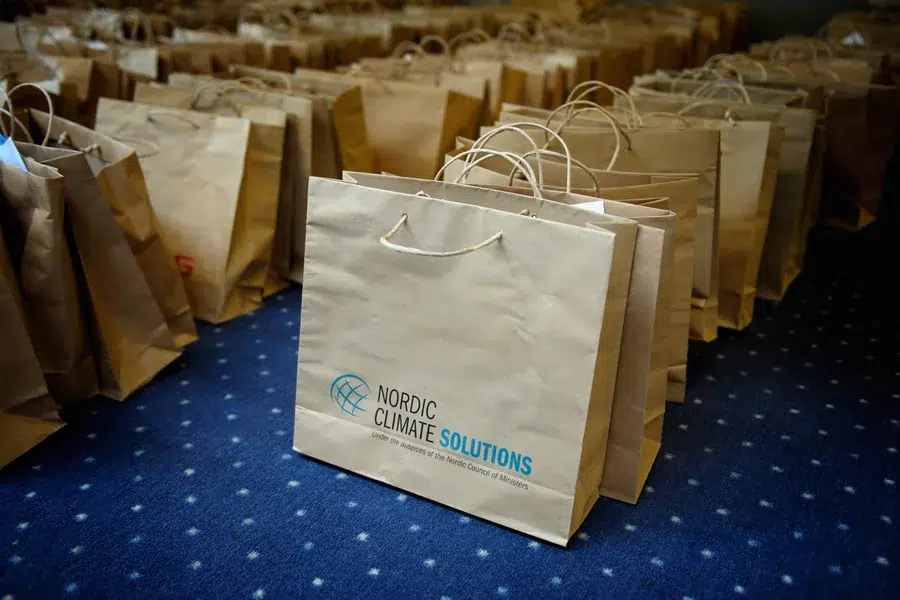
Introduction to Paper Bags in Branding
In the modern era of marketing, brands are continuously seeking innovative ways to stand out in a crowded marketplace. One such method that has gained significant traction is the use of paper bags for brand distribution. These versatile carriers not only serve a functional role but also act as a powerful tool for brand communication and identity reinforcement
The Evolution of Paper Bags
Paper bags have come a long way since their inception in the mid-19th century. Initially designed to replace fabric bags, they were simple, utilitarian objects. As manufacturing processes evolved, paper bags became more robust and capable of carrying heavier loads. Their transformation from plain packaging to branded assets marks a significant milestone in retail history.
Historical Milestones
- Introduction in the 1800s as a cheap alternative to cloth.
- Development of the square-bottom bag design for enhanced stability.
- Emergence of branding on paper bags in the late 20th century.
The journey from being mere carriers to becoming integral components of marketing strategies illustrates the dynamic nature of consumer preferences and manufacturing capabilities.
Benefits of Using Paper Bags for Brand Distribution
Paper bags offer numerous advantages that make them an ideal choice for brand distribution.
Versatility
Paper bags can be customized in countless ways to reflect a brand’s identity, from size and color to material thickness and handle style.
Eco-Friendliness
With growing environmental awareness, paper bags present an eco-friendly alternative to plastic, resonating with consumers who prioritize sustainability.
Cost-Effectiveness
Compared to other packaging materials, paper bags are cost-effective, especially when ordered in bulk.
Increased Brand Exposure
Every time a customer carries a branded paper bag, it acts as a mobile advertisement, increasing brand visibility and reach.
By partnering with companies like Totally Branded, businesses can leverage these benefits effectively, ensuring their branding efforts are both impactful and sustainable.
Designing Custom Paper Bags
The design process is crucial when using paper bags for brand distribution, as it directly influences consumer perception.
Elements to Consider
- Brand Colors and Logos: Consistent use reinforces brand recognition.
- Typography: Should align with overall brand aesthetics.
- Imagery: High-quality images can enhance appeal and engagement.
- Material Choice: Impacts both durability and environmental footprint.
When designing paper bags, working with experienced designers or firms like Totally Branded ensures that the final product reflects the brand’s ethos while appealing to its target audience.
Environmental Impact and Sustainability
Sustainability is no longer optional but rather an expectation from consumers worldwide. The shift towards paper bags aligns with this trend, offering several environmental benefits.
Key Environmental Benefits
- Biodegradability: Unlike plastic, paper decomposes naturally without leaving harmful residues.
- Renewable Resources: Made from trees that can be replanted.
- Recyclability: Most paper bags can be recycled multiple times.
- Lower Carbon Footprint: Production processes have become more energy-efficient over time.
Brands looking to demonstrate their commitment to sustainability can do so effectively through strategic use of eco-friendly packaging options such as those offered by Totally Branded.
Case Studies: Successful Brand Uses of Paper Bags
Numerous brands have capitalized on the potential of paper bags to enhance their market presence.
Example 1: Fashion Retailer A
This retailer integrated bold graphic designs on their paper bags, turning them into collector’s items among fashion enthusiasts. This approach not only increased customer retention but also attracted new clientele interested in unique brand experiences.
Example 2: Gourmet Food Chain B
By using high-quality kraft paper with minimalist designs, this chain emphasized its commitment to sustainability while maintaining an upscale image.
Both examples illustrate how different sectors can adapt paper bag usage to fit their unique branding requirements successfully.
Cost-Effectiveness and Budgeting
Incorporating paper bags into your marketing strategy doesn’t need to break the bank. Proper budgeting ensures that you maximize impact without overspending.
Tips for Cost-Effective Implementation
- Bulk Orders: Economies of scale reduce per-unit costs significantly.
- Simple Designs: Less complex designs often reduce printing costs.
- Local Suppliers: Reduces transportation costs and supports local economies.
By working with providers like Totally Branded, businesses can find cost-effective solutions tailored to their specific needs without compromising quality or design integrity.
The Role of Paper Bags in Retail Strategy
Paper bags play a pivotal role in enhancing retail strategies by creating memorable customer experiences through tactile engagement and visual appeal.
Enhancing Customer Experience
When customers receive purchases in well-designed paper bags, it elevates their shopping experience beyond mere transaction completion, fostering loyalty and encouraging repeat visits.
Strategic Placement
Retailers strategically place branded paper bags at points-of-sale or events where maximum exposure is guaranteed—ensuring that each bag serves as an ambassador beyond store walls.
Industry-Specific Applications of Paper Bags
Different industries utilize paper bags uniquely based on their specific needs:
- Fashion: Focuses on aesthetic appeal and reusability.
- Food & Beverage: Prioritizes hygiene standards alongside eco-friendliness.
- Corporate Gifting: Emphasizes luxury finishes and personalized touches for enhanced recipient impact.
Each sector tailors its use case according to industry demands while maintaining core benefits associated with using branded paper products effectively—a strategy that Totally Branded excels at facilitating across various markets globally today!
Future Trends in Paper Bag Branding
As consumer preferences evolve rapidly alongside technological advancements within manufacturing sectors worldwide today—so too will trends surrounding branded packaging solutions continue evolving dynamically over time!
Emerging Trends To Watch Out For:
1) Smart Packaging Technologies: Integration between physical products digital experiences via QR codes NFC tags etc., enabling seamless interaction between brands consumers alike!
2) Sustainable Innovations: Continued research development aimed reducing environmental impact associated traditional production methods further enhancing recyclability biodegradable properties existing materials already being utilized today!
3) Personalization Advancements: Increasing demand customization options allowing consumers tailor purchases suit individual preferences tastes styles etc.—driving greater engagement satisfaction levels overall!
Adopting these emerging trends early positions companies advantageously within competitive landscapes moving forward into future growth opportunities ahead—with support from trusted partners such as Totally Branded who remain committed delivering cutting-edge solutions consistently exceeding client expectations time again!
